Method development and validation
Peer-reviewed work, research supervision, and method design in processing, inversion, and machine learning.
Explore researchResearch, method design, and geophysical project delivery—from seismic acquisition and processing to reservoir modeling and intelligent interpretation.
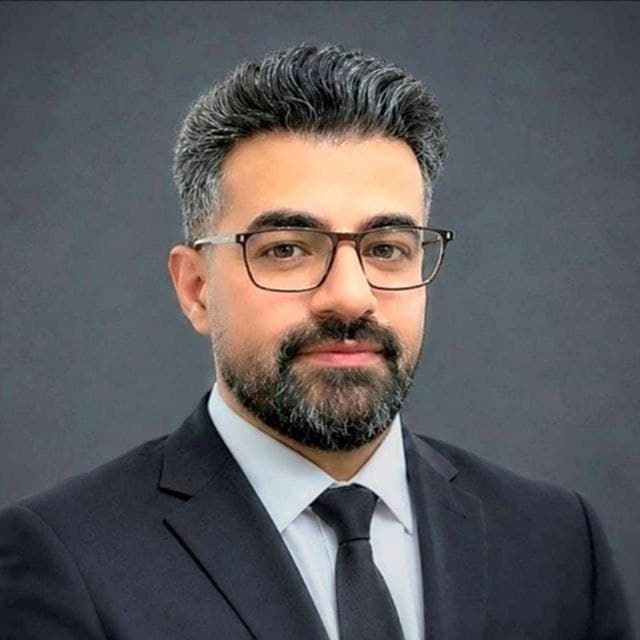
University method development and practical problem solving, both with clear success criteria and measurable outcomes.
Peer-reviewed work, research supervision, and method design in processing, inversion, and machine learning.
Explore researchData audit, baseline design, implementation, uncertainty review, and documented delivery.
View project pathFour connected views of the geophysics workflow—move across each image to explore the detail.
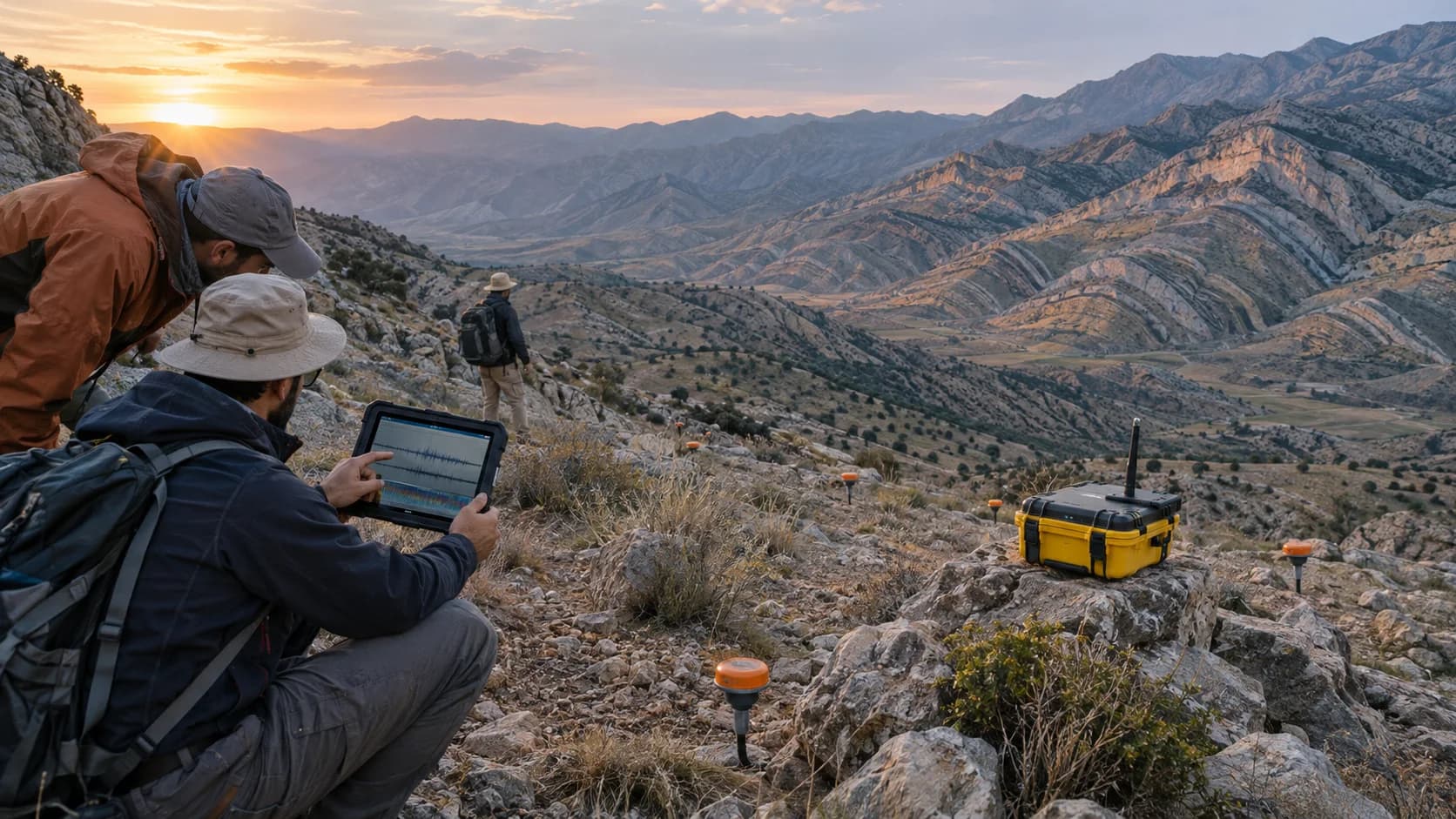 01
Survey geometry, field QC, and geological observation in one workflow.
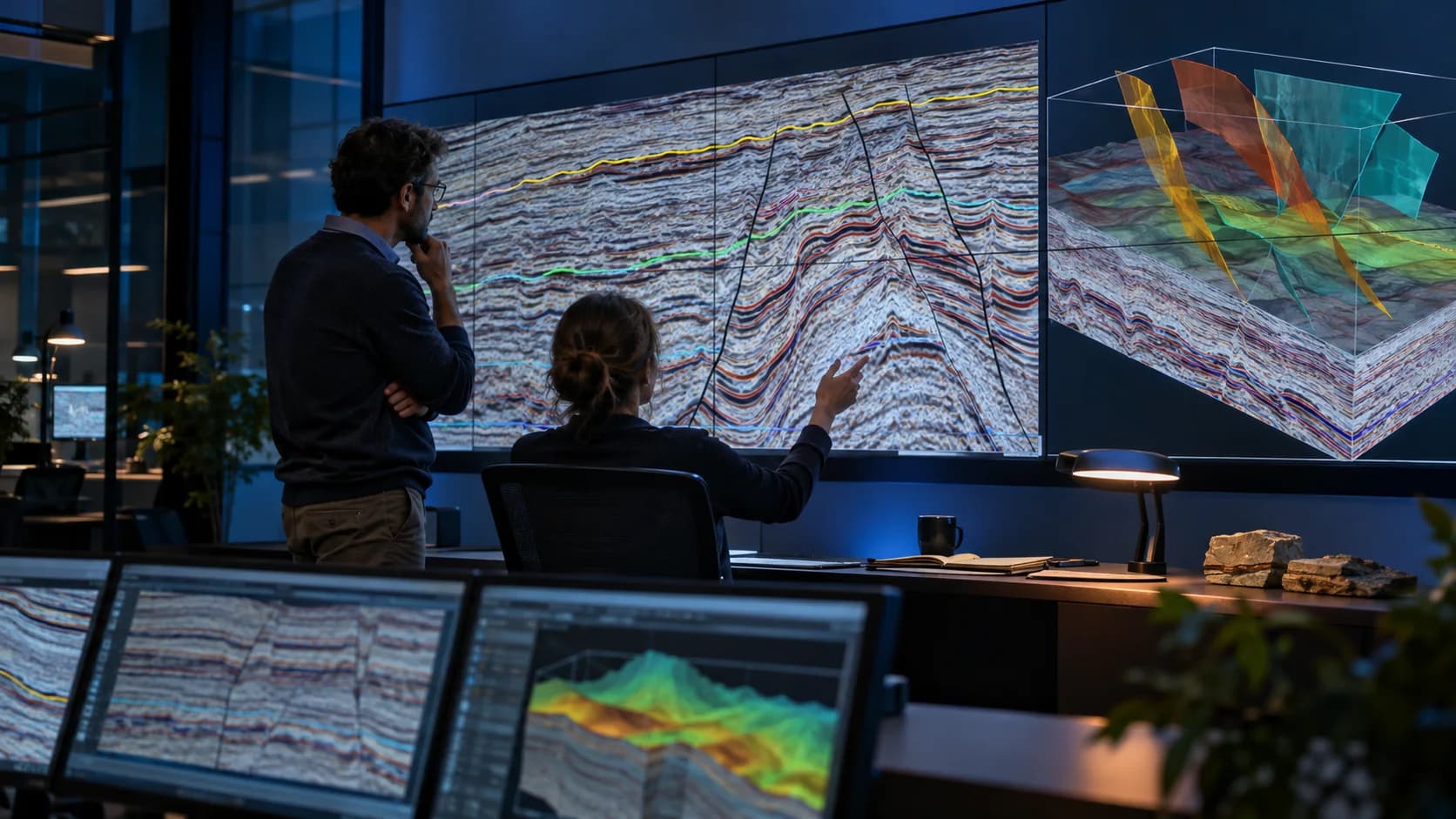 02
Interpret sections, horizons, and faults in a decision-ready environment.
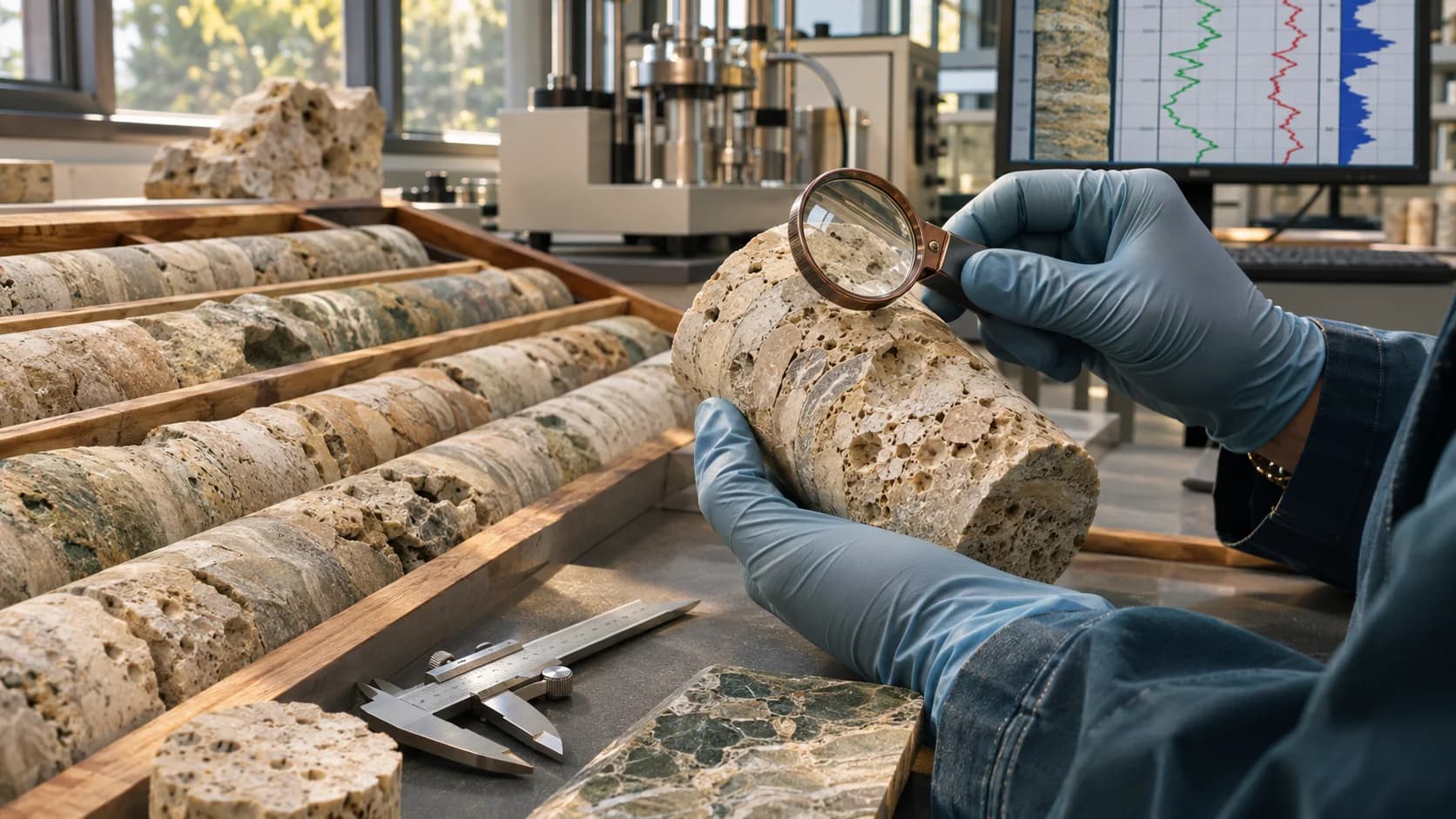 03
Connect carbonate texture, well logs, and seismic response for stronger models.
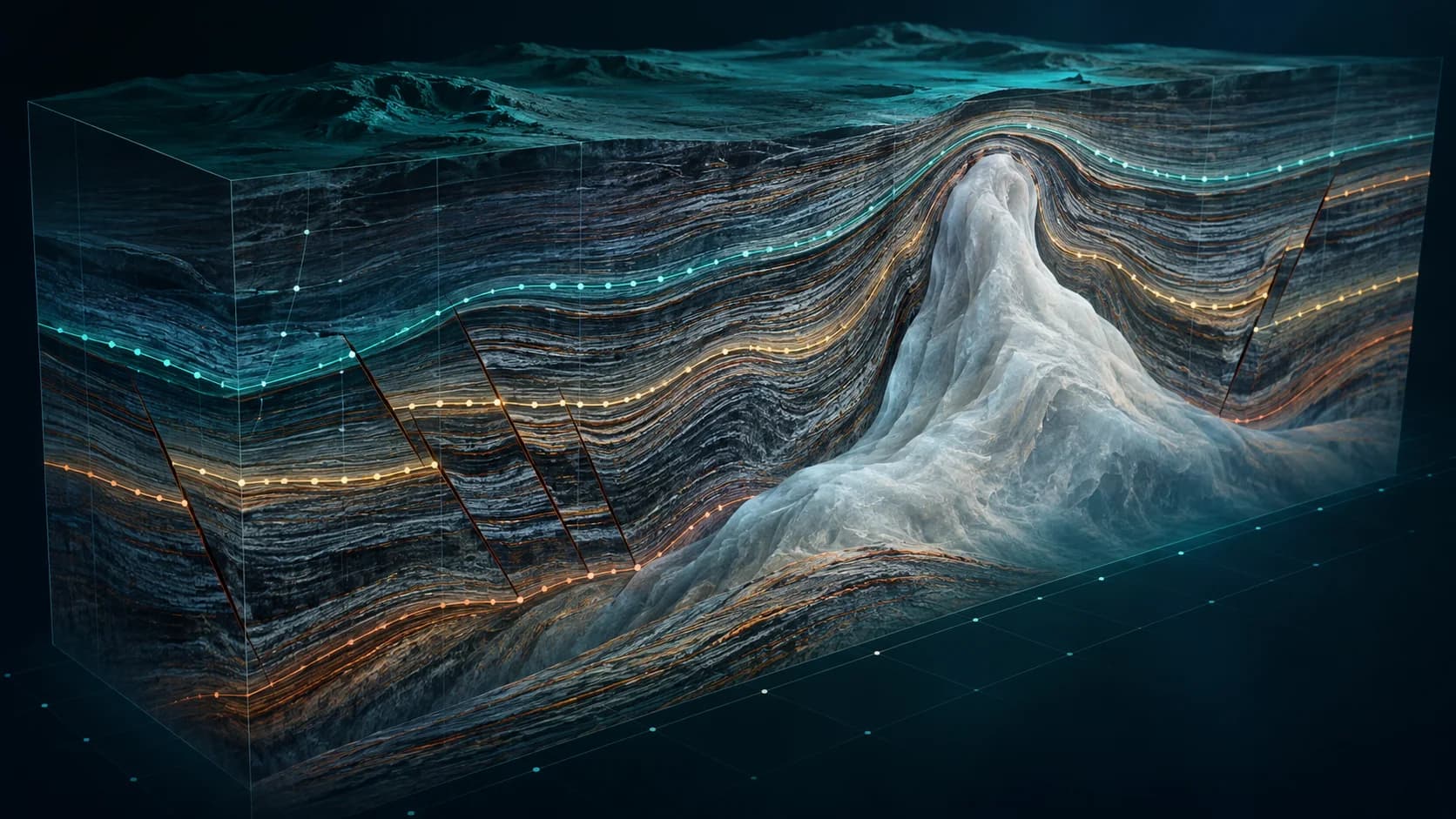 04
Intelligent segmentation with accuracy, uncertainty, and human review.
A selection of Q1 publications, each linked directly to its official DOI.
 2026
A visual story of research, data, and delivery—from field measurement to interpretation and technical decisions.
View official sourceNew work on 3D fault detection with global attention and self-supervised pretraining has been added to the record.
Scientific ReportsBrowse the tracks and choose the one that matches your technical problem.
Design acquisition geometry, plan field operations, supervise recording, and run daily QC to reduce repeat-survey risk.
Improve signal-to-noise ratio, preserve reflection continuity, and benchmark classical and data-driven methods on real data.
Integrate seismic attributes, well logs, and statistical or machine-learning methods to estimate porosity, facies, and saturation.
Detect faults, fractures, channels, and salt bodies with verifiable 3D segmentation and deep-learning models.
Faculty member at the University of Tehran’s Institute of Geophysics since 2014, PhD graduate of the same university, and member of NIGS, EAGE, and SPE. The record is aligned with the university profile and ORCID.
Share the data type, objective, current stage, and timeline. Your message will be delivered directly for review.
Share the objective, data type, and constraints so a measurable scope can be defined.
Start a conversation